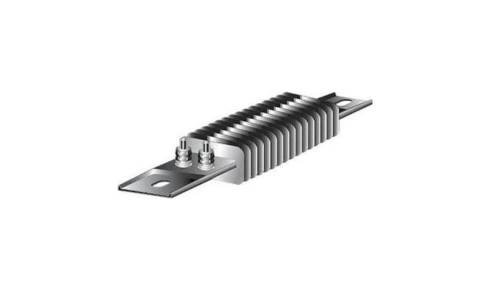
Manufacturing lines depend on steady, repeatable heat. Dies and platens must hold consistent temperatures to shape, press, seal, or form materials without defects. Strip heaters remain a trusted industrial heater option because their design focuses on direct contact, durability, and controlled output under demanding conditions.
Tight Contact Between Heater Strip and Metal for Steady Heat
Heat transfer improves when there is firm contact between the heater and the metal surface. Strip heaters are built to clamp tightly against dies and platens, allowing energy to move directly into the tooling. This close fit reduces air gaps that can cause uneven warming or slow response times.
Good contact also shortens warm-up periods. A properly installed industrial heater delivers heat straight into the metal body rather than warming surrounding air first. That efficiency supports faster cycle starts and more predictable performance throughout the shift.
Thick Sheath Materials That Stand up to Harsh Presses
Industrial presses create vibration, pressure, and repeated thermal stress. Strip heaters use durable outer sheath materials to protect the internal heater elements from mechanical damage. The sheath shields wiring and resistance coils from impact or abrasion during operation.
Press environments can be rough, especially where tools or parts shift frequently. A strong outer layer allows the heater to maintain shape and structural integrity. By resisting dents and warping, the sheath helps preserve steady output over long production runs.
Even Heat Spread Keeps Platen Surfaces the Same Temperature
Uniform heating matters in forming and sealing applications. Strip heaters distribute heat evenly along their length to reduce hot spots. Consistent surface temperature across the platen improves product quality and reduces rejects. Balanced heat output supports stable forming pressure and material flow. Heater elements inside the strip are spaced to promote even distribution. That design prevents localized overheating, which can damage tooling or distort finished parts.
Designed Cores That Resist Wear from Repeated Cycles
Heating and cooling cycles expand and contract internal components. Strip heaters are engineered with cores that withstand constant thermal cycling. Materials are selected to maintain shape and electrical resistance over time.
Frequent temperature changes can fatigue lesser heater elements. A carefully designed core reduces stress points and extends service life. This durability is important in continuous production settings where downtime costs money.
Solid Internal Wiring That Keeps Output Consistent over Time
Electrical stability determines how accurately an industrial heater performs. Strip heaters use reliable internal wiring connections to maintain consistent current flow. Stable electrical paths reduce fluctuations that can disrupt temperature control.
Loose or degraded wiring can create uneven heating. Quality construction keeps connections secure despite vibration and heat exposure. That consistency supports dependable process results day after day.
Precision Bends That Fit Dies Without Gaps or Cold Zones
Many dies require heaters shaped to match specific contours. Strip heaters can be formed with precision bends so they align closely with tooling geometry. A proper fit ensures heat reaches all necessary areas. Careful shaping prevents cold zones along edges or corners. Heater elements remain evenly spaced even through bends, preserving uniform output. This flexibility allows manufacturers to tailor heating solutions without sacrificing performance.
Durable Outer Coating That Blocks Damage from Tools
Tool changes and maintenance activities sometimes expose heaters to accidental contact. A protective coating on strip heaters helps resist scratches or minor impact from equipment. This barrier adds another layer of defense in busy industrial settings.
Surface protection keeps corrosion from forming in humid or chemically exposed areas. Over time, that protection contributes to a longer operational lifespan. A well-protected industrial heater remains reliable even under routine wear.
Stable Temperature Control for Predictable Process Runs
Temperature swings can disrupt forming, molding, or sealing steps. Strip heaters integrate smoothly with control systems to maintain steady heat levels. Responsive performance allows operators to fine-tune output as needed.
Accurate control reduces waste and improves repeatability. Heater elements respond quickly to adjustments, preventing overshoot or lag. That predictability supports consistent product quality across production cycles.
Low Maintenance Build That Lasts Through Heavy Use
Industrial environments demand equipment that can handle extended operation. Strip heaters are designed with minimal moving parts, reducing maintenance requirements. Routine inspection and cleaning are usually enough to keep them functioning properly.
A sturdy industrial heater that requires little upkeep supports higher uptime. Long service life lowers replacement frequency and operational costs. Reliable construction helps keep production lines running without interruption.
Reliable heat control begins with well-built components, and that is where Thermal Corporation’s strip heaters stand out. Their background in industrial heater manufacturing enables them to produce units engineered for durability and precise temperature delivery. By pairing rugged materials with proven design methods, they help facilities maintain uniform heat across critical tooling surfaces.