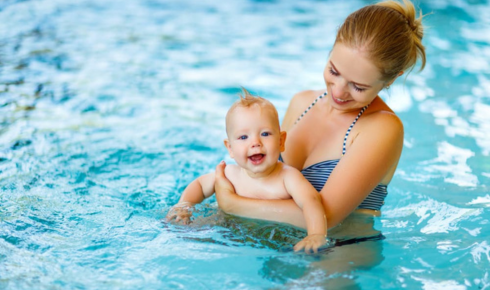
Parents often notice that babies adapt quickly to the rhythm of water, moving instinctively with surprising ease. Group infant swimming lessons create an environment where these natural abilities evolve into lifelong developmental skills. Through guided play, repetition, and shared experience, infants build coordination, confidence, and social awareness that extend far beyond the pool.
Gentle Coordination Improves Balance and Body Awareness
Infant swimming lessons near me often begin with subtle exercises that encourage coordinated movements. Instructors guide babies through gentle motions—kicking, reaching, and floating—that teach them how their bodies move in water. These repetitive movements strengthen the connection between the brain and muscles, helping infants gain control over balance even before they begin walking steadily.
The buoyancy of water offers unique resistance that refines core strength and stability. During infant swimming lessons Huntsville AL, parents and teachers notice improvements in posture and controlled limb movement. Over time, babies learn how to shift weight, maintain alignment, and adjust their bodies instinctively, forming early patterns of balance that support physical development on land.
Rhythmic Movement Strengthens Motor Control and Fluidity
Consistent, rhythmic activity helps babies understand timing and motion. Infant swimming classes near me use songs, splashes, and gentle paddling sequences to synchronize breathing and body movement. These routines reinforce the ability to coordinate multiple muscle groups in smooth, deliberate motions.
Unlike dry-land play, water provides resistance that encourages slower, more controlled movement. Huntsville swimming lessons integrate rhythm-based games that refine reflexes and teach fluid transitions between movements. This rhythm awareness contributes to better crawling, walking, and even early communication, as infants become attuned to timing and repetition.
Shared Play Encourages Social Bonding and Cooperation
Group activities create a natural opportunity for interaction among infants and caregivers. During infant swimming lessons near me, babies often mimic each other’s actions, respond to laughter, and learn to share space in a calm, structured environment. This social exposure strengthens empathy and comfort around others from an early age.
Through shared play, instructors guide cooperative behaviors such as waiting turns or participating in synchronized movements. Over time, this builds patience and awareness of others’ boundaries. Infant swimming lessons Huntsville AL help infants associate group activities with positive emotions, forming early foundations for teamwork and trust.
Breath Control Foundations Support Calm and Focus
Controlled breathing is one of the earliest skills introduced during water sessions. Gentle submersion and surface exercises teach babies how to hold and release air naturally. These repetitive breathing patterns help develop lung capacity and promote self-regulation.
Instructors emphasize gradual adaptation, allowing infants to associate breathing control with comfort and safety. Over weeks of consistent practice in infant swimming classes near me, babies begin to respond calmly to water cues. This sense of control not only supports water safety but also improves focus and emotional steadiness during new experiences.
Sensory Engagement Enhances Spatial Understanding
Water introduces textures, pressure changes, and buoyant sensations that stimulate the senses in unique ways. Infant swimming lessons near me incorporate sensory play—such as feeling bubbles, watching reflections, and responding to splashes—to sharpen spatial awareness. Babies learn how to interpret distance and motion through constant sensory feedback.
These experiences strengthen cognitive mapping skills. In Huntsville swimming lessons, infants gradually distinguish between near and far, fast and slow, and light and heavy sensations. Such sensory comprehension becomes the groundwork for complex tasks later in childhood, including depth perception and object coordination.
Repetitive Actions Reinforce Muscle Memory and Stability
Infant swimming lessons rely heavily on repetition. Simple actions like floating, grasping pool edges, or pushing water become second nature through consistent practice. Each repetition deepens neural pathways responsible for motor learning, helping infants move with increased accuracy and confidence.
This process also improves muscle tone. Over several weeks of infant swimming lessons Huntsville AL, instructors note greater endurance and coordination in infants’ arms, legs, and torsos. Repetition creates a strong physical memory, helping babies maintain balance and adapt quickly to new challenges, both in and out of the water.
Group Interaction Fosters Patience and Emotional Regulation
Being part of a small group requires infants to observe, wait, and respond—a rhythm that develops emotional maturity. During infant swimming lessons near me, structured routines teach babies to anticipate turns and react calmly in changing situations. These lessons quietly build self-control through predictable, supportive guidance.
Exposure to other children and caregivers also introduces a range of social cues. Infants participating in Huntsville swimming lessons learn to mirror positive emotions, manage brief frustration, and enjoy shared success. Over time, these early lessons contribute to patience and improved emotional understanding, skills that translate well beyond the pool environment.
Positive Reinforcement Instills Independence and Self-trust
Instructors often use praise and gentle encouragement to help infants recognize progress. Positive reinforcement during infant swimming classes near me allows babies to associate effort with reward. This nurturing approach promotes independence as infants learn to try new movements and gain confidence in their own abilities.
Every small achievement, from floating unassisted to responding to verbal cues, strengthens self-trust. Consistent exposure during infant swimming lessons Huntsville AL helps children embrace challenges without fear, an essential mindset for future learning. Over time, these affirming experiences foster resilience, independence, and curiosity that shape early growth in lasting ways.