
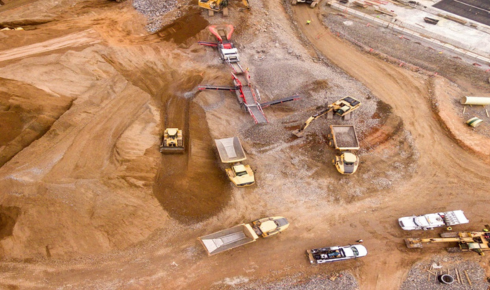
Land may look level at first glance, but subtle elevation changes shape how a site performs for decades. Water movement, soil pressure, and structural load all respond to grading decisions made long before construction begins. That is why grading plans prepared by experienced civil engineering consultants remain a foundational part of responsible development.
Proper Slopes Guide Water Away from Roads and Structures
Water follows gravity without hesitation. If slopes are not designed correctly, runoff can flow toward buildings or collect along pavement edges. Civil engineering firms study natural contours and rainfall data to determine how to direct water safely away from roads and structures. Even a slight miscalculation can lead to erosion or long-term damage. Thoughtful grading creates controlled pathways for runoff. Civil engineering services often include detailed slope calculations that prevent water from lingering where it does not belong. By shaping land intentionally, civil engineering companies reduce the likelihood of standing water near foundations and traffic surfaces.
Balanced Elevations Support Safe and Steady Ground Conditions
Uneven ground may appear harmless, but inconsistent elevations can affect structural integrity. Balanced grading distributes loads more evenly across soil layers. Civil engineering consultants evaluate soil conditions and design elevations that maintain stability over time.
Gradual transitions between high and low areas prevent abrupt shifts that weaken support. A civil engineer near me often assesses bearing capacity and compaction requirements before approving grading plans. Maintaining steady ground conditions protects both surface improvements and underlying infrastructure.
Well Planned Contours Help Protect Foundations from Shifting
Foundations rely on stable surrounding soil. Poor grading can create pressure points where soil expands and contracts unevenly. Civil engineering companies address this risk by shaping contours that manage moisture and reduce differential settlement.
Carefully designed slopes also minimize hydrostatic pressure against foundation walls. Civil engineering firms consider drainage layers and grading together to prevent long-term structural strain. Proper contouring ensures that foundations remain supported as weather patterns change.
Managed Runoff Lowers the Risk of Pooling on Paved Areas
Paved surfaces such as parking lots and driveways require controlled runoff to maintain durability. Without proper grading, water pools and weakens asphalt or concrete over time. Civil engineering services incorporate runoff management into site planning to prevent surface breakdown.
Engineers analyze flow patterns to ensure water moves toward designated drainage points. Civil engineering consultants calculate grade percentages that allow runoff without creating steep, unsafe surfaces. This balance preserves pavement strength and reduces maintenance costs.
Smooth Transitions Reduce Wear on Drive Lanes and Access Points
Abrupt elevation changes cause stress on vehicles and pavement alike. Smooth grading transitions create comfortable travel paths that minimize impact. Civil engineering firms design entry points and drive lanes with gradual slopes to support steady vehicle movement.
Consistent elevation changes also reduce cracking at surface joints. A civil engineer near me may focus on how vehicles enter and exit a site to prevent long-term wear. Careful grading supports safer and more durable access routes.
Thoughtful Grading Supports Long Term Ground Stability
Ground stability depends on both soil composition and surface design. Civil engineering companies combine geotechnical data with grading plans to ensure that slopes remain intact during heavy rain or seasonal shifts. Stability reduces the likelihood of erosion and sediment displacement. Long-term planning accounts for natural settlement. Civil engineering consultants review how soil layers compress over time and adjust grading accordingly. Stable ground conditions protect investments and maintain site performance well into the future.
Planned Levels Help Protect Underground Lines from Strain
Utility lines buried beneath a site depend on consistent support. Uneven grading can expose pipes to pressure changes or soil movement. Civil engineering services include coordination with underground systems to ensure proper cover depth and alignment. Engineers evaluate how surface loads transfer downward. Civil engineering firms design levels that prevent unnecessary strain on water, sewer, and electrical lines. Maintaining steady grades above utilities protects infrastructure from avoidable stress.
Even Surfaces Allow Steady Placement of Concrete and Asphalt
Construction quality improves when surfaces are prepared correctly. Even grading provides a stable base for pouring concrete or laying asphalt. Civil engineering consultants calculate compaction requirements to ensure uniform support.
Accurate grading reduces the risk of future cracking or shifting. A civil engineer near me may verify subgrade preparation before final surface installation. Level, well-compacted ground sets the stage for durable pavement and structural elements.
Through comprehensive civil engineering services, Ivaldi Engineering develops grading plans based on detailed site analysis and field data. Their experienced civil engineering consultants study soil composition, runoff behavior, and load distribution to guide design decisions. This structured approach supports safe construction and long-term ground performance.