Funny how we’re great at remembering oil changes for the car but somehow forget that our homes need upkeep too. You’ll get a text reminder from your mechanic every six months like clockwork, but nobody’s pinging you about the breaker panel tucked away in the garage that hasn’t been looked at since the house was built. It’s not laziness, really — it’s just out of sight, out of mind. Until it isn’t.
I think about this a lot because it’s such a human pattern. We fix what’s loud and obvious. A leaky faucet gets attention fast because, well, it’s dripping right in front of you. But electrical stuff? It hums along quietly in the background, and most people assume that means it’s fine. Sometimes it is. Sometimes it very much isn’t.
Why We Wait Too Long
There’s a strange comfort in “if it ain’t broke, don’t fix it.” I get the logic, I really do. But electrical systems don’t always announce their problems the way a squeaky door does. Corrosion builds up slowly. Insulation degrades over years, not days. A connection that was tight a decade ago might be loosening right now, and you’d have zero clue unless someone actually opened the panel and looked.
That’s the tricky part — the damage is invisible until it very suddenly isn’t. And by the time you notice, you’re not talking about a small fix anymore. You’re talking about a service call at 11pm because half the house went dark, or worse.
The Boring Habit That Actually Saves You Money
Here’s something I wish more people understood early on: regular maintenance isn’t about babying your system, it’s about catching tiny issues before they turn into expensive ones. Think of it like going to the dentist. Nobody loves it, but a cleaning now beats a root canal later, every single time.
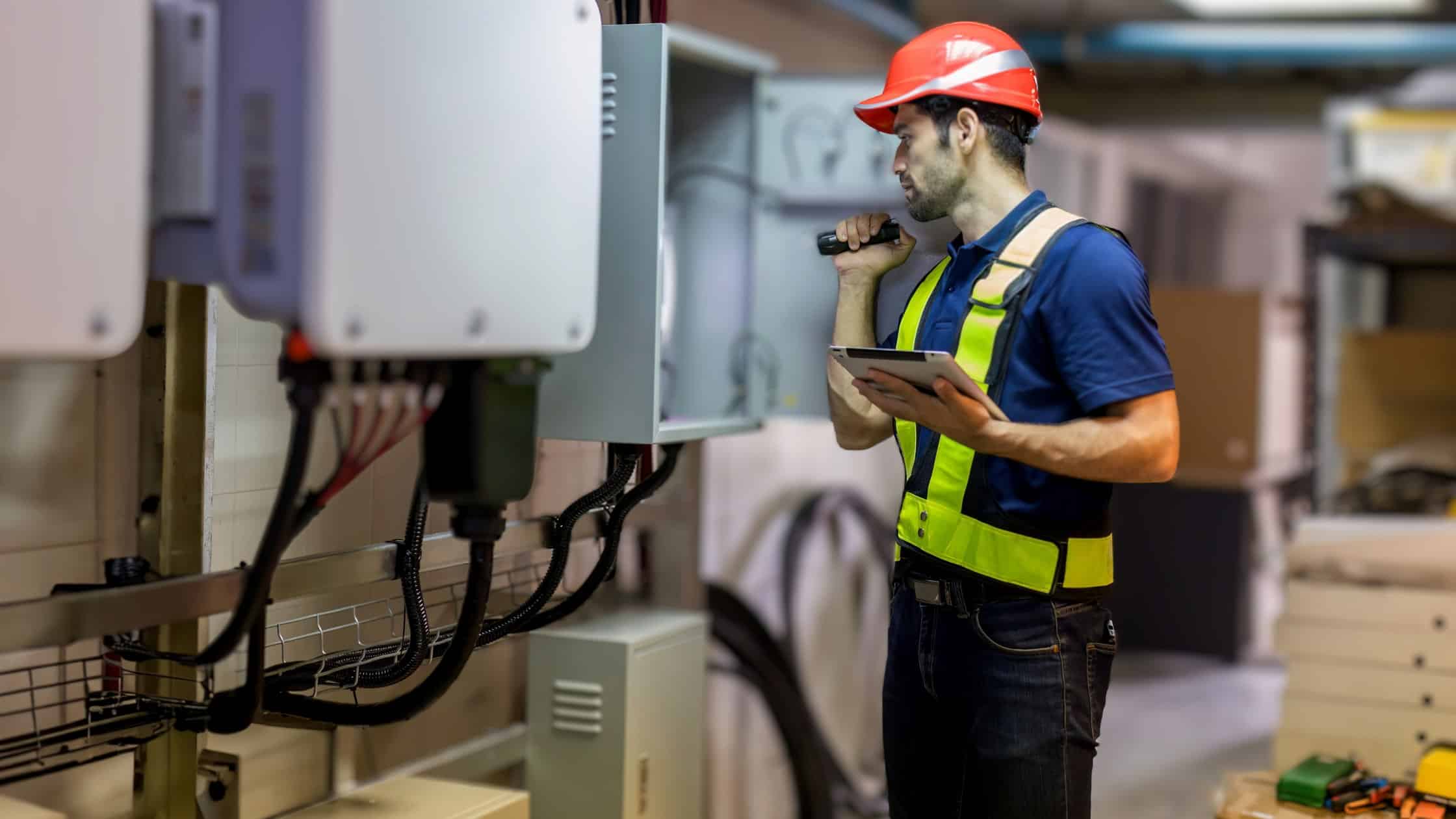
A technician doing a routine check isn’t just glancing at things and nodding. They’re testing connections, checking for signs of overheating, making sure your panel isn’t quietly working harder than it should be. It’s the kind of unglamorous work that never makes for exciting conversation at a party, but it’s the reason some homes go decades without a major electrical incident while others end up with a scorch mark behind an outlet cover.
And look, I’m not saying you need to call someone every single month. That’s overkill for most homes. But an annual or biannual check, especially for older properties, is one of those small investments that quietly pays for itself. You just don’t notice the payoff because the payoff is… nothing happening. Which, weirdly, is the whole goal.
Efficiency Isn’t Just a Buzzword
There’s also a side to this that doesn’t get talked about enough — how much maintenance affects your energy bills. A system that’s been neglected doesn’t just risk failure, it often runs less efficiently too. Loose connections generate resistance, and resistance generates heat, and heat is basically wasted energy leaking out of your walls. Keeping things in check helps your home actually hit optimal efficiency, instead of quietly burning extra electricity for no good reason.
It’s kind of wild when you think about it. People will obsess over LED bulbs and smart thermostats to save a few bucks a month, but ignore the underlying system that could be bleeding energy in ways no gadget can fix. The flashy stuff gets attention because it’s visible. The foundational stuff gets ignored because it isn’t.
A Small Shift in How We Think About This
I’m not trying to guilt anyone into obsessing over their breaker panel. Life’s busy, and there’s a hundred other things competing for your attention on any given weekend. But maybe the shift worth making is just… treating this the same way you treat other routine upkeep. Not as an emergency response, but as a habit. Something you do before there’s a problem, not after.
Because here’s the honest truth — most electrical issues don’t happen out of nowhere. They build slowly, quietly, for years, giving off small warning signs that are easy to miss if nobody’s looking. A slightly warm outlet cover. A breaker that trips a little too often. A light that flickers just enough to be annoying but not enough to actually investigate.
None of these things scream emergency. But they whisper it, if you’re paying attention. And honestly, that’s the real value of staying on top of maintenance — it’s not about fixing disasters, it’s about never having one in the first place. Which, when you put it that way, sounds like a pretty good trade for an hour of someone’s time once or twice a year.