A good water treatment system rarely gets much attention when everything is working properly. You turn on the kitchen tap, fill a glass, take a shower, and get on with your day. It’s only when something changes that water becomes a topic of conversation. Maybe the showerhead keeps clogging with mineral deposits, the dishwasher leaves spots on glasses, or the water has a taste that makes everyone reach for bottled alternatives.
These little frustrations can add up. But choosing a treatment system doesn’t have to mean buying the most expensive equipment or filling a utility room with complicated machinery. The smarter approach is to understand the problem first, then look for a solution that suits the water supply, the household, and the way people actually live.
Start With the Problem, Not the Product
Water quality differs from one property to another. Local geology, municipal supplies, private wells, plumbing materials, and existing treatment equipment can all affect what comes out of a tap. That’s why a system that works beautifully for a neighbour might not be the right choice for your home.
Hard water is a common example. It contains elevated levels of calcium and magnesium, which can leave white deposits on faucets, shower glass, and heating elements. Other homes may experience sediment, iron staining, or an unpleasant chlorine taste. Some concerns involve substances that aren’t visible at all, making testing particularly important.
Before shopping, review your water source and arrange appropriate testing if you don’t already have reliable results. A hardness test can help identify mineral-related problems, but it won’t tell you whether water is free from bacteria, lead, or every other contaminant. Health-related concerns may require specific tests through a qualified laboratory.
Once you know what’s present, comparing equipment becomes much easier. Instead of trying to solve every possible water issue, you can focus on the characteristics that actually matter.
What Good Equipment Should Deliver
Water treatment equipment needs to do more than look impressive on a product page. It should perform consistently, suit the home’s water demand, and remain manageable after installation. Systems engineered for performance and efficiency are designed with these practical needs in mind, although the real benefits depend on the model, installation, and operating conditions.
Consider a household with several bathrooms. If multiple showers, a washing machine, and the kitchen tap are being used at once, an undersized system may struggle to maintain adequate flow. On the other hand, choosing equipment far larger than necessary can add cost without providing a meaningful improvement.
Ask about rated flow capacity, pressure loss, service intervals, and operating requirements. These specifications may not sound particularly exciting, but they’re often more useful than a long list of marketing features. A system should fit your household’s actual usage, not an imagined version of it.
It’s also worth checking whether performance claims are supported by independent certification or detailed manufacturer documentation. If a product is intended to reduce a particular substance, confirm that its verified performance covers that specific concern. Broad statements such as “removes everything” deserve a closer look.
Understanding High-Performance Water Softening
For homes dealing with persistent scale, high-performance softening can make a noticeable difference to everyday maintenance. Conventional ion-exchange water softeners reduce calcium and magnesium by exchanging hardness minerals for other ions, commonly sodium. This process can help limit scale formation and allow soap to work more effectively.
The results are often easiest to appreciate in ordinary routines. Shower doors may be easier to clean, faucets may develop fewer mineral deposits, and water heaters can experience less hardness-related scale. Still, the degree of improvement depends on the original water hardness, household demand, and the system’s correct sizing and maintenance.
A softener isn’t a universal purifier, though. It primarily addresses hardness, so it shouldn’t be expected to remove every contaminant or solve a separate issue with bacteria or unwanted chemicals. If testing reveals multiple concerns, additional treatment may be necessary.
Sizing is especially important. An appropriately selected softener should match both the water’s hardness level and the amount of water used in the home. Ask how regeneration works, how much salt the system requires, and whether it uses water during that process. These details affect long-term operating costs and help you understand what ownership will involve.
Filtration Is About More Than One Cartridge
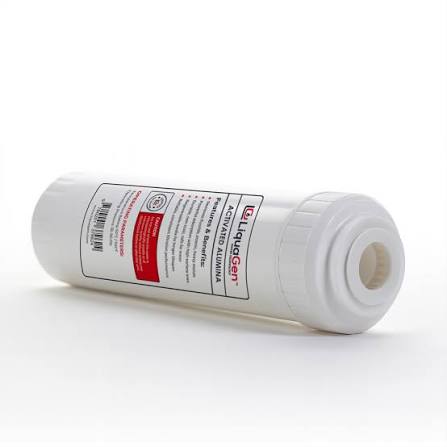
The word “filter” covers a wide range of technologies, and they don’t all perform the same job. Sediment filters capture particles, activated carbon can reduce certain tastes and odors, and reverse osmosis systems can reduce a range of dissolved substances when properly selected.
The system’s filtration capabilities should match the results of your water test. For example, a carbon cartridge may help with chlorine taste, but it shouldn’t automatically be assumed to reduce every dissolved metal or microbial contaminant. Similarly, a sediment filter may protect downstream equipment from particles without changing the mineral content of the water.
Some homes need treatment throughout the property, while others mainly want better drinking water at the kitchen sink. Whole-house systems treat water as it enters the home, whereas point-of-use units focus on a particular tap or appliance. Neither approach is automatically better; the choice depends on what needs to be addressed.
Reverse osmosis may be worth considering when testing identifies dissolved substances that a suitable membrane system is certified to reduce. These units commonly require prefilters and membrane replacement, and many produce wastewater during operation. Before choosing one, consider available space, water pressure, storage capacity, and how much treated water your household uses each day.
Don’t Forget Installation and Maintenance
Even well-designed equipment can disappoint if it’s installed incorrectly or neglected afterward. Connections need to be secure, components must be compatible, and the system should be placed where it can be inspected and serviced. Depending on the setup, drainage, electrical access, or plumbing changes may also be necessary.
Maintenance is part of the total cost, not an optional extra. Filters need replacing according to the manufacturer’s instructions, softeners require routine attention, and reverse osmosis membranes have a limited service life. A neglected system may gradually lose effectiveness without making the problem obvious right away.
Keep a simple record of installation dates, filter changes, and service visits. If water pressure drops, unusual tastes return, or mineral deposits begin appearing again, check the maintenance history and consider whether further testing is needed.
Make the Decision With Confidence
The right water treatment equipment should solve a genuine problem without creating unnecessary work. Begin with reliable testing, compare systems based on documented performance, and consider the cost of installation, replacement parts, and ongoing care.
Ask clear questions before committing. A trustworthy provider should be able to explain why a particular system is suitable, what results you can reasonably expect, and which concerns it won’t address. If the recommendation feels rushed or the claims sound too broad, take time to review your options.
Ultimately, better water comes from making a considered choice rather than chasing the latest feature or biggest system. When equipment is matched to the water supply and maintained properly, it can support a more convenient home routine for years to come.