A home rarely changes overnight. More often, its appearance and comfort shift gradually. A door begins to stick, a small gap appears around a window, or the ceiling starts looking dull after years of everyday living. None of these problems may seem urgent on its own, but together they can make a well-loved home feel tired and neglected.
Fortunately, improving a home doesn’t always mean taking on a major renovation. Some of the most useful changes involve repairing wooden features, sealing gaps that allow drafts and moisture to enter, or giving a room a fresh coat of paint. These projects can improve the way a property looks while helping homeowners protect the materials that make it work.
The key is to understand what needs attention, choose suitable materials, and avoid rushing through the preparation. A little patience at the beginning often saves time, money, and frustration later.
Make Wooden Features Work Better
Wood is found in countless parts of a home, from door frames and stair railings to shelves, window trim, and kitchen details. It adds warmth and character, but regular use eventually leaves its mark. Hinges loosen, corners become chipped, and wooden surfaces may develop scratches or small cracks.
Good carpentry can help restore these features while making them more useful. Depending on the condition of the property, the work might involve repairing a damaged door frame, installing shelves, replacing worn trim, adjusting sticking doors, or building storage that fits an awkward corner.
Before replacing anything, check whether the existing material can be repaired. A slightly loose cupboard door may only need an adjustment or new screws. A shelf that has pulled away from the wall, however, may require stronger fixings or a different mounting method. The solution depends on the cause of the problem, not just its appearance.
Measurements matter more than many people expect. When installing shelves or fitting a new door, even a small measurement error can create unnecessary gaps or prevent the component from operating properly. Measure more than once, account for uneven walls and floors, and confirm that the materials are suitable for the intended use.
Moisture deserves attention, too. Wood that has become swollen, soft, or discoloured may be affected by a leak or persistent humidity. Repainting it without identifying the source can lead to further deterioration. Repair the underlying problem first, then decide whether the wood can be restored or needs replacement.
For homeowners planning larger projects, such as built-in cabinets or structural timber repairs, professional help can be worthwhile. A skilled carpenter can assess the existing construction, recommend practical materials, and produce a finish that looks consistent with the rest of the house.
Seal Small Gaps Before They Become Bigger Problems
A narrow gap around a bathtub, window frame, sink, or door might not attract much attention at first. Yet these small openings can allow water, dust, insects, and outdoor air to enter places where they don’t belong. Over time, the consequences may include damaged paint, uncomfortable drafts, or moisture-related deterioration.
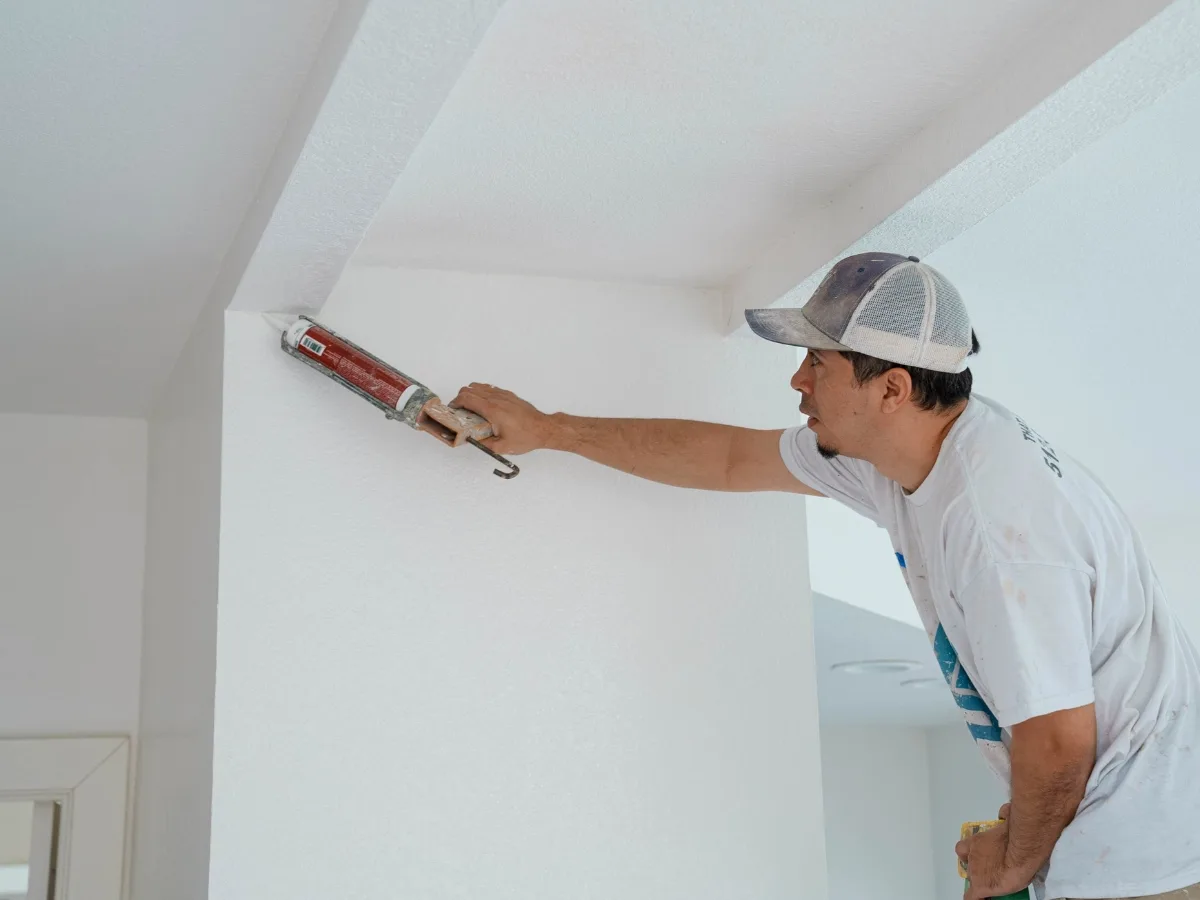
Careful caulking helps seal appropriate joints and create a cleaner, more finished appearance. It’s commonly used around bathroom fixtures, kitchen backsplashes, window trim, and other joints where compatible surfaces meet. The correct product depends on the location, materials, and amount of movement the joint is expected to experience.
Bathrooms need particular care because water exposure is frequent. If the seal around a shower or bathtub has separated, water may slip behind the visible surface and damage nearby materials. Remove failed sealant properly, clean the joint, and allow the area to dry as directed by the product manufacturer before applying a replacement.
Preparation is where many sealing jobs succeed or fail. Applying new material over old, loose sealant usually produces a poor bond. Surfaces should be clean and dry, and any mould or moisture problem should be addressed rather than simply covered. Follow the manufacturer’s instructions regarding suitable surfaces, application temperature, ventilation, and curing time.
It’s also important to choose the right type of sealant. A product designed for a wet bathroom environment may not be appropriate for every exterior joint, while some materials are intended for specific construction applications. Check compatibility before buying, especially when working with natural stone, plastics, painted surfaces, or materials that expand and contract.
Remember that sealant isn’t a substitute for every kind of repair. Large gaps, damaged frames, persistent leaks, and joints that move excessively may need additional work. If water keeps returning after the joint has been sealed, investigate the source instead of repeatedly applying another layer.
A neat seal can make a room look better, but its real value lies in helping protect the surfaces behind it.
Give Tired Ceilings a Cleaner, Brighter Finish
Ceilings are easy to overlook because people naturally focus on walls, furniture, and flooring. Still, a ceiling can influence how bright and spacious a room feels. Yellowing, faded paint, small marks, and uneven patches can make an otherwise attractive interior look older than it is.
Fresh ceiling painting can improve the overall appearance without requiring a full room makeover. A clean, light finish often helps reflect available light, making bedrooms, hallways, and living rooms feel more open. The best choice depends on the room’s lighting, wall colours, ceiling height, and existing finish.
Preparation is especially important when working overhead. Move furniture where possible, cover floors, and protect light fittings and other fixtures. Dust the ceiling before painting, and inspect it carefully for cracks, peeling areas, or stains. Loose paint should be removed, and minor surface defects should be repaired before the new coating goes on.
Stains require more than an ordinary coat of paint. Water marks, for example, may return through a fresh finish if the underlying leak hasn’t been fixed or the surface hasn’t been treated appropriately. Identify the cause first, allow the ceiling to dry, and use a suitable stain-blocking primer when required.
The choice of paint also matters. Flat or matte finishes can help reduce the visibility of minor surface imperfections, although the best finish depends on the product and room conditions. Kitchens and bathrooms may need coatings designed for their particular moisture and cleaning requirements.
Use suitable ladders or platforms, keep the work area clear, and avoid stretching to reach distant corners. Painting overhead can be tiring, so take breaks and maintain a safe working position. If the ceiling contains damaged plaster, extensive cracking, or a suspected leak, arrange repairs before painting begins.
When the preparation is done well, the result feels simple in the best possible way. The room looks cleaner, the light feels more balanced, and the ceiling stops drawing attention for the wrong reasons.
Decide Which Repairs Deserve Attention First
It’s easy to become distracted by the most visible problem, but the best order of work usually depends on the risks involved. A moisture issue should be resolved before wooden trim is refinished. Damaged plaster needs repair before a ceiling receives fresh paint. Gaps around bathroom fixtures should be investigated before surrounding materials begin to deteriorate.
Walk through each room and make a short list of repairs. Separate urgent issues from cosmetic improvements, then consider the cost, time, and materials each project will require. This simple exercise can make home maintenance feel less overwhelming.
Budget for more than the main materials. Tools, preparation supplies, waste removal, and professional labour can all affect the final cost. For older properties, leave some flexibility in case hidden damage appears once a surface is opened or an old fitting is removed.
It’s equally important to know your limits. Small repairs may suit a confident homeowner, but structural work, complicated electrical tasks, and persistent water damage require appropriate expertise. Hiring a professional for the difficult parts can prevent a modest repair from becoming an expensive mistake.
Keep Your Home Looking Its Best
Once improvements are complete, regular checks can help preserve the results. Look for loose wooden fittings, deteriorating sealant, fresh water stains, and peeling paint. Addressing small changes early is usually easier than waiting until they affect surrounding materials.
A comfortable home isn’t necessarily one with the newest finishes or the biggest renovation budget. It’s a place where doors work properly, surfaces are protected, and rooms feel pleasant to spend time in.
By approaching carpentry repairs, sealing work, and ceiling painting with care, homeowners can improve both appearance and everyday function. Start with the problems that matter most, prepare each surface properly, and choose solutions suited to the home’s condition. Over time, these practical improvements can help a familiar space feel fresher, more dependable, and ready for many more years of use.