There’s nothing particularly enjoyable about spending your weekend scrubbing mineral deposits from bathroom fixtures, especially when those stubborn white marks return within days. Add cloudy glassware, rough laundry, and recurring appliance maintenance to the equation, and hard water can become a significant household frustration.
Many homeowners simply accept these inconveniences as part of their everyday routine. However, addressing excessive hardness at its source can make a noticeable difference.
For homeowners in Houston, Texas, modern water softening technology offers a practical opportunity to improve household water conditions and protect valuable appliances.
The key is choosing equipment that matches your property’s water quality, consumption patterns, and budget. With appropriate treatment, you can spend less time dealing with mineral-related problems and more time enjoying the comforts of your home.
Discover How Water Softening Technology Addresses Hard Water
Water naturally collects dissolved minerals as it travels through soil and rock formations. Calcium and magnesium are primarily responsible for hardness, which can contribute to several household maintenance challenges.
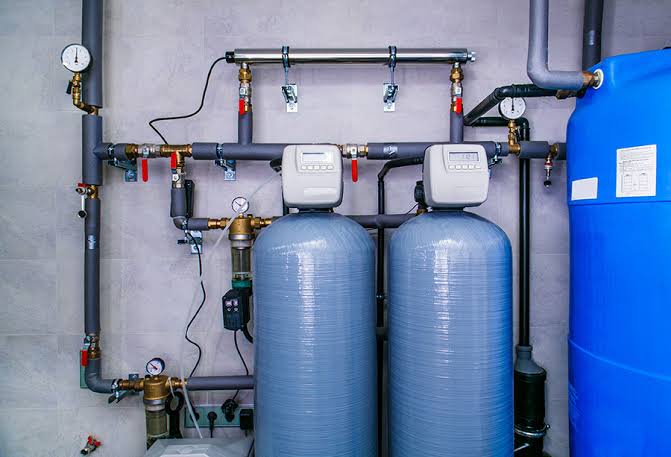
Installing water softener systems can help reduce these minerals through a treatment process known as ion exchange.
During this process, specialized resin beads capture calcium and magnesium ions while releasing sodium or potassium ions into the water. The resin periodically undergoes regeneration to restore its treatment capacity.
Reducing hardness can bring practical improvements throughout connected household plumbing.
For instance, soaps and detergents may lather more effectively, while bathroom fixtures can develop fewer hardness-related deposits.
Think about how often you clean your shower doors or remove chalky residue from kitchen faucets. Addressing the underlying mineral content may make these responsibilities considerably easier.
Water softening can also help reduce future scale accumulation inside water heaters and other appliances.
However, it’s important to understand that softening serves a specific purpose. It doesn’t automatically remove harmful microorganisms, chemical contaminants, or every substance affecting drinking water taste.
Additional filtration may be necessary depending on your water quality concerns.
Professional testing can help establish whether hardness reduction is appropriate before you invest in treatment equipment.
Find the Right Water Softening Solution for Your Houston Property
Every household uses water differently. A family with several bathrooms, frequent laundry loads, and regularly operated appliances may require greater treatment capacity than a smaller household.
When comparing water softeners in houston, homeowners should consider their existing hardness levels, daily consumption, peak water demand, and plumbing infrastructure.
An appropriately sized system should accommodate normal household activities without requiring unnecessarily frequent regeneration cycles.
Imagine getting ready for work while another family member takes a shower and the washing machine completes its morning cycle. Your treatment equipment needs to accommodate these simultaneous demands.
Professional water testing provides valuable information when determining suitable softening capacity.
Homeowners should also compare regeneration methods. Some equipment operates according to predetermined schedules, while other systems initiate regeneration based on measured water consumption.
Demand-based operation may help reduce unnecessary salt and water usage compared with an unsuitable timer-based schedule.
Installation space, drainage arrangements, and maintenance accessibility also deserve attention.
Before purchasing equipment, ask your treatment provider to explain anticipated operating expenses, warranty coverage, and servicing requirements.
Choosing a softener based on actual household needs is considerably more practical than purchasing equipment simply because it offers the largest treatment capacity.
Experience the Everyday Advantages of Residential Water Softening
Some of the most worthwhile home improvements are the ones that simplify ordinary responsibilities. Water softening is a good example because its potential benefits extend across numerous daily activities.
Appropriately selected home water softening systems can help homeowners reduce mineral accumulation, improve soap effectiveness, and make certain household cleaning tasks less demanding.
Consider your laundry routine. Hardness minerals can interfere with detergent performance, potentially leaving fabrics feeling stiff after washing.
Reducing hardness may help improve these conditions while allowing more effective use of suitable laundry products.
Bathroom maintenance can also become easier when fewer mineral deposits accumulate around faucets, showerheads, and glass surfaces.
In the kitchen, homeowners may notice fewer hardness-related spots on freshly washed dishes.
Perhaps one of the most valuable advantages involves protecting water-using appliances. Water heaters, dishwashers, and washing machines can experience mineral accumulation over time when regularly exposed to hard water.
Appropriate softening helps reduce the conditions responsible for these deposits.
Although treatment cannot guarantee longer appliance life or eliminate every maintenance requirement, reducing excessive hardness can offer practical long-term value.
These improvements can be particularly noticeable in households that previously experienced persistent mineral-related problems.
Recognize Common Signs That Your Home Has Hard Water
Many homeowners become accustomed to the effects of excessive hardness without realizing that suitable treatment equipment could help.
Common indicators worth investigating include:
- Chalky white deposits around faucets and showerheads.
- Cloudy spots on freshly washed dishes and glassware.
- Difficulty producing a satisfactory soap lather.
- Rough or stiff towels after laundering.
- Persistent soap residue on bathroom surfaces.
- Mineral accumulation inside kettles and water heaters.
- Frequent scale-related appliance maintenance.
Although these symptoms may suggest excessive hardness, professional testing provides a more reliable assessment.
Understanding your water’s actual mineral concentration helps determine whether treatment is worthwhile and which equipment would provide appropriate capacity.
Understand When Additional Water Filtration May Be Beneficial
Water softening and drinking water filtration serve different purposes.
Traditional softeners primarily address calcium and magnesium concentrations, while activated carbon filters may reduce selected disinfectants and unwanted tastes.
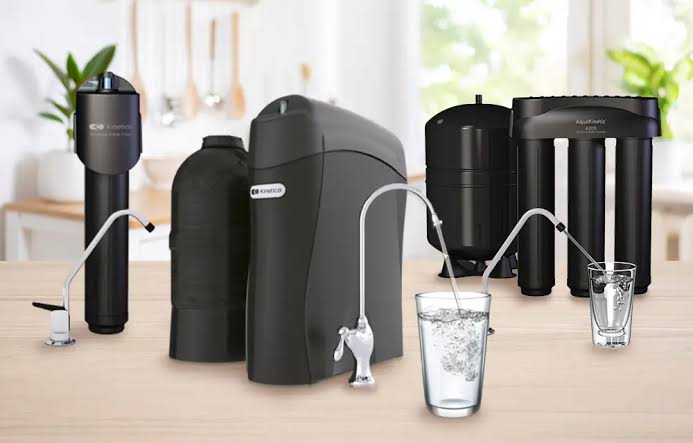
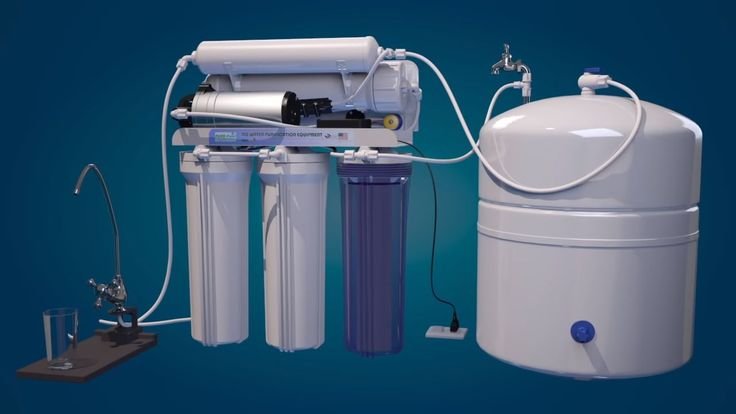
Reverse osmosis equipment can provide additional reduction of many dissolved substances in drinking and cooking water.
Houston homeowners experiencing both excessive hardness and unpleasant drinking water tastes may benefit from combining complementary treatment technologies.
However, purchasing multiple systems isn’t necessary for every property.
Reliable testing and independently certified equipment performance should guide your treatment decisions.
Keep Your Water Softener Performing Reliably
Even well-designed water softening equipment requires periodic attention.
Maintain appropriate salt levels, follow manufacturer servicing recommendations, and periodically check treatment effectiveness.
If mineral deposits begin returning or water pressure changes unexpectedly, arrange a professional inspection.
Homeowners should also understand regeneration water consumption and ongoing maintenance expenses.
Keeping simple maintenance records can help you anticipate servicing requirements while supporting dependable long-term performance.
Create a More Comfortable Houston Home With Softened Water
Dealing with stubborn mineral deposits, rough laundry, and recurring cleaning difficulties doesn’t have to remain part of your household routine.
For Houston homeowners, reliable water testing, thoughtful equipment selection, and professional installation can provide a practical pathway toward better household water conditions.
Rather than repeatedly addressing the visible effects of hard water, consider treating the underlying cause.
Ultimately, investing in suitable water softening technology is about more than reducing mineral concentrations. It’s about protecting valuable household appliances, simplifying everyday responsibilities, and creating a more comfortable home where better water delivers lasting convenience and satisfaction.