You spend money on good laundry detergent, quality shampoo, and reliable household appliances. Yet your towels still feel rough, your showerhead keeps developing white deposits, and your freshly washed glasses never seem completely clear.
Sound familiar?
Sometimes, the problem has less to do with the products you’re using and more to do with the water flowing through your home.
For homeowners throughout Northeast Illinois, understanding water quality can make a noticeable difference in everyday comfort and household maintenance. However, choosing between softening equipment, filtration systems, and other treatment technologies can feel confusing at first.
Let’s explore some practical questions that can help you understand your water better and decide which improvements are genuinely worth considering.
How Do Water Softeners Actually Work?
Among the most common questions about water softeners is how these systems remove the minerals responsible for stubborn household deposits.
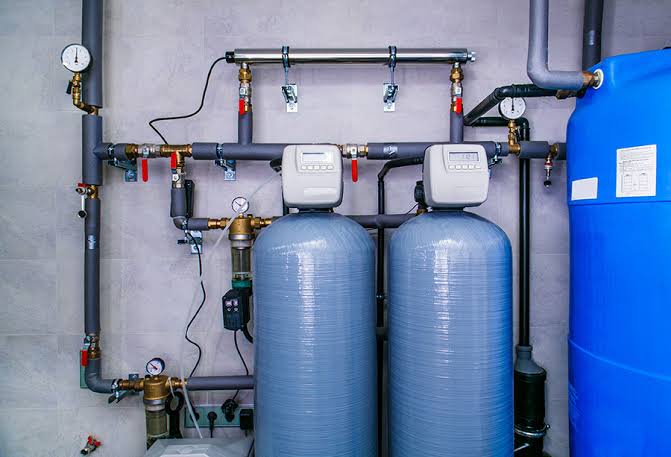
Traditional softening equipment uses a process called ion exchange. As water passes through a resin bed, calcium and magnesium ions are exchanged for sodium or potassium ions, depending on the system.
This reduces water hardness and helps limit the formation of mineral scale.
The benefits often become noticeable during everyday activities. Soap may lather more easily, bathroom fixtures may require less scrubbing, and appliances may experience less additional scale accumulation.
However, softening isn’t the same as comprehensive purification. A conventional softener isn’t designed to remove every potentially harmful substance from drinking water.
Is Hard Water Dangerous or Simply Inconvenient?
Hard water is generally considered a household maintenance concern rather than a health hazard. Calcium and magnesium are naturally occurring minerals, and their presence doesn’t automatically make water unsafe.
Nevertheless, excessive hardness can become frustrating over time.
Mineral deposits may accumulate on heating elements, restrict showerhead openings, and leave unsightly marks around sinks. Certain cleaning products may also perform less effectively in hard water.
Whether treatment is worthwhile depends on the measured hardness level and how significantly these issues affect your household.
If you’re constantly battling mineral buildup, softening may be a practical investment.
Does Every Household Need a Water Filtration System?
When browsing home water treatment FAQs, you’ll often encounter discussions about whether filtration is necessary for every property. The answer isn’t quite as simple as yes or no.
Some households receive water that already meets their needs without additional treatment. Others experience sediment, unpleasant tastes, odors, or specific contaminants that warrant attention.
A family primarily concerned with chlorine taste might benefit from suitable activated carbon filtration. Another household may require a more specialized treatment arrangement based on laboratory findings.
Buying filtration equipment simply because your neighbor has installed it isn’t necessarily a sensible approach.
Your own water quality, preferences, and household requirements should guide the decision.
What Can Water Testing Tell Me About My Supply?
Water testing provides information that isn’t always available through ordinary household observations.
Many water testing and filtration questions revolve around whether a professional assessment is necessary before purchasing treatment equipment. In most situations, understanding the water’s characteristics first helps prevent unnecessary spending.
Testing may evaluate hardness, iron concentrations, pH, and other relevant characteristics. Specialized laboratory analysis can investigate bacteria, nitrates, lead, and other potentially harmful contaminants.
Municipal water customers can also review their supplier’s annual water quality report. Private well owners should arrange regular laboratory testing.
Remember, clear and pleasant-tasting water isn’t automatically safe. Some contaminants offer no noticeable warning signs, making appropriate testing particularly important.
Why Does Softened Water Sometimes Feel Slippery?
This catches quite a few homeowners by surprise after installing softening equipment.
Softened water generally allows soap to lather more effectively and reduces the formation of insoluble soap residue associated with hardness minerals.
As a result, washing and rinsing can feel different from what you’re accustomed to.
You may also discover that you’re using more soap than necessary. Experimenting with smaller amounts can help you adjust to the change while potentially reducing product consumption.
It might take some getting used to, particularly if you’ve lived with hard water for many years.
Can a Water Softener and Drinking Water Filter Work Together?
Certainly. Combining treatment technologies can make sense when a household experiences several distinct water quality problems.
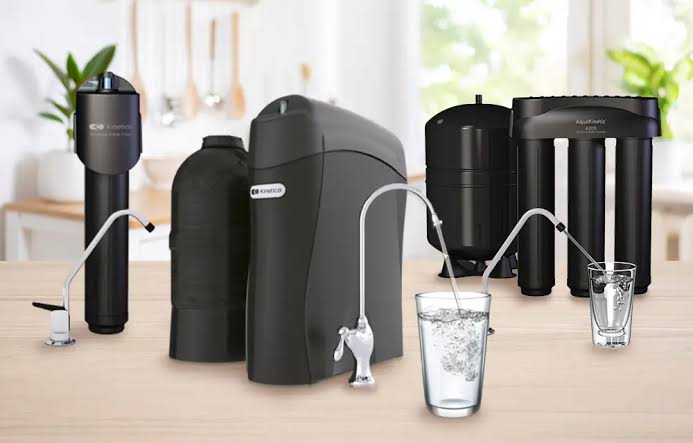
A softening unit may address mineral buildup throughout the property, while a dedicated kitchen filtration system treats water used for drinking and cooking.
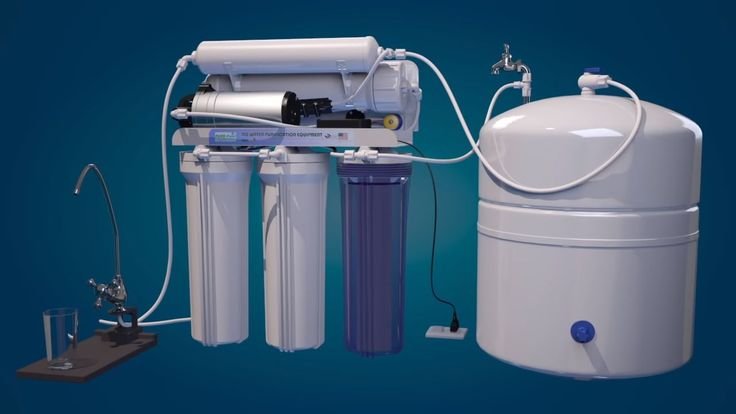
Reverse osmosis is another option when testing identifies dissolved substances that an appropriately certified system can reduce.
However, additional equipment also means additional maintenance responsibilities.
The goal should be effective treatment rather than accumulating as many filtration stages as possible. Sometimes, a simpler arrangement provides everything your household needs.
How Can I Keep My Treatment Equipment Working Properly?
Water treatment equipment requires regular attention, even when everything appears to be functioning normally.
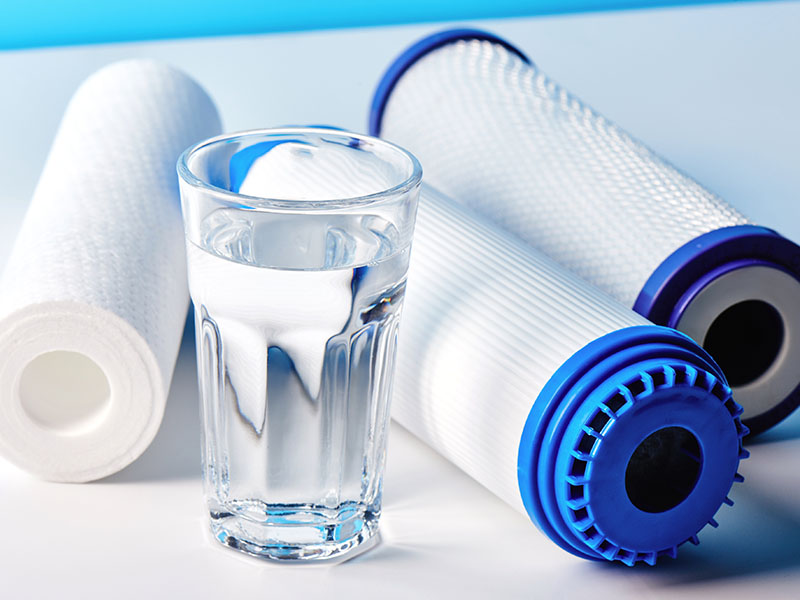
Softening systems generally need salt replenishment, while filtration units require periodic cartridge replacement. Reverse osmosis membranes also have recommended replacement schedules.
Follow the manufacturer’s instructions and arrange professional servicing when necessary.
Before purchasing equipment, ask about replacement component costs, warranty coverage, and maintenance requirements. Understanding these expenses beforehand makes long-term ownership much more manageable.
Better Water Starts With Asking the Right Questions
Improving household water quality doesn’t have to involve expensive equipment or complicated decisions.
For Northeast Illinois homeowners, the sensible approach begins with recognizing everyday problems, obtaining reliable testing results, and selecting treatment that addresses genuine concerns.
Water plays a role in nearly everything you do at home, from preparing breakfast to washing the dishes before bed.
Making those ordinary routines a little easier is worth the effort. And sometimes, the biggest improvement begins with something surprisingly simple: asking the right questions before turning an everyday inconvenience into a costly investment.