
There’s something deeply satisfying about soft water — those silky showers, the spotless dishes, the laundry that feels just a bit more luxurious. But behind every successful water softener is one humble but mighty ingredient: salt.
And choosing the right one? That can be trickier than you’d think.
A lot of folks (me included, once upon a time) assume salt is salt. After all, it all looks kind of the same. But when you dive into the details, you’ll find different types, different grades, and—believe it or not—different purposes. So let’s clear the air (or the tank?) and figure out what really matters when it comes to salt selection.
So… What Does Salt Actually Do in a Softener?
Let’s start with the basics, just to level the playing field.
Water softeners are basically mineral-busting machines. They pull out hardness-causing calcium and magnesium ions through a process called ion exchange. That resin bed inside your unit? It’s like a sponge that needs a rinse every so often — and that rinse comes in the form of brine water, made by mixing salt with water.
Without salt? Well, your system’s pretty much useless.
Wait, Can’t I Just Use Pool Salt?
Ah, the classic mix-up. I’ve heard this one a lot from well-meaning DIYers: “Hey, I’ve got a bag of pool salt in the garage—can I use that?”
The short answer: technically yes, but probably don’t.
The real difference in the pool salt vs water softener salt debate comes down to purity and solubility. Pool salt is designed to dissolve quickly in large volumes of water and is often very pure. That sounds great, but here’s the rub: it might not be treated or screened the same way as softener salt. That means more residue or potential impurities, even if they’re minimal.
On the flip side, water softener salt—especially high-quality pellets—is made specifically for your softener. It’s clean-burning, so to speak. Less gunk. Less bridging. Less fuss. And for anyone who’s ever had to break up a salt bridge with a broom handle, that matters.
The Salt Aisle: Where Confusion Happens
Once you step into the hardware store and face those towering stacks of salt bags, it’s easy to get overwhelmed.
You’ll probably see rock salt, solar salt, evaporated salt, and maybe even potassium chloride. They’re not just marketing gimmicks. Each one behaves a little differently inside your system.
- Rock salt is cheap and gritty. But it’s also the messiest—high in insoluble minerals.
- Solar salt is harvested by evaporating seawater. It’s more pure than rock salt but can still cause issues in high-usage systems.
- Evaporated salt pellets are the cleanest of the bunch. Nearly 100% pure. Pricey, sure, but ideal if you don’t want to mess with clogs or sludge.
- Potassium chloride is an alternative for folks trying to avoid sodium, but it doesn’t come cheap.
So, what is the best salt for water softener units? If you’re asking for a no-nonsense, set-it-and-forget-it option, most experts would point you toward evaporated salt pellets. They’re the least likely to cause trouble and help your system run smoothly long-term.
When Cheap Salt Isn’t Really Cheap
Here’s the thing I wish someone had told me: saving a few bucks on low-grade salt will almost always cost you more down the line.
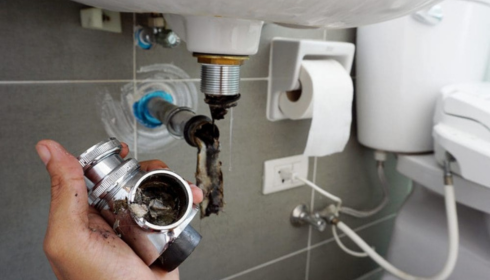
A few years back, I bought some bargain-brand rock salt from a dusty shelf at the back of a warehouse store. It worked fine for a bit… until it didn’t. My brine tank developed this gunky buildup that clogged everything. I ended up calling in a pro just to clean it out.
That cheap salt? It wound up costing me nearly double once I paid for the repair.
Now, I just stick to clean, high-purity pellets. No surprises. No headaches. Just soft water and a system that hums along happily.
The Sneaky Issue of Salt Bridges
Salt bridges are hard crusts that form across the top of your salt pile, usually when there’s too much humidity or you’ve overfilled the tank.
They look like you’ve got plenty of salt… but under that crust? Nothing. Your softener’s pulling brine from a dry well, and your water slowly starts getting hard again.
Even premium salt won’t stop this entirely, but it does lower the risk. And while you’re at it, maybe don’t let the brine tank sit in a damp basement corner next to the dryer. Just sayin’.
What About Drinking Water?
Some folks get squeamish at the idea of drinking water that’s had salt added to it. But here’s the scoop: the salt doesn’t actually go into your water.
It’s used to clean the resin bed, and only trace amounts of sodium end up in your tap. For most people, it’s no big deal. Still, if you’re on a strict sodium diet or just feel more comfortable filtering your drinking water, a reverse osmosis system can knock that out easily.
So when someone asks you, what is the best salt for a water softener, it’s not just about softness. It’s about system health, ease of maintenance, and even peace of mind when it comes to your family’s water quality.
Quick Tips Before You Head to the Store
- Stick to evaporated pellets unless your system says otherwise.
- Avoid rock salt unless you’re really in a pinch.
- Don’t overfill your tank. Keep it about half full for best results.
- Break up salt bridges if you suspect one has formed.
- Clean the brine tank annually. Trust me on this one.
Also? Don’t hoard salt. Buying 10 bags at once might seem efficient, but unless you’re using them quickly, they can clump and harden over time—especially in humid areas.
Wrapping It Up: Salt With a Side of Sanity
Water softeners are one of those quiet household heroes. They don’t demand much, but they make life a whole lot nicer. And salt, in all its simple glory, is the backbone of that system.
Choosing the right one might not feel thrilling—but the payoff is real. Fewer repairs. Less gunk. Cleaner dishes. Softer clothes. Better showers. All thanks to a humble bag of crystals that just happen to know how to get the job done.