
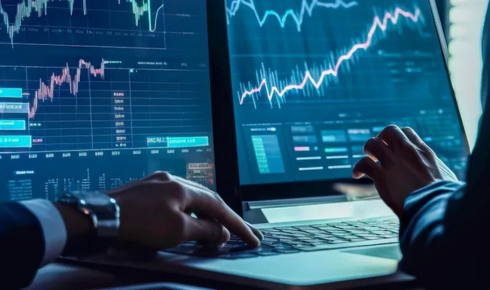
When people think about advancements in trading technology, they often focus on data speed, AI, or automation. However, one of the most impactful changes has been happening more quietly — in the design and usability of trading platforms themselves.
The way information is presented, organized, and interacted with has become just as important as the data behind it. Platforms like 同花顺 reflect this shift, where interface design plays a crucial role in helping users navigate complex financial environments with greater clarity.Why Interface Design Matters in Trading
Financial markets are inherently complex. A single trading screen can include:
- Price charts
- Technical indicators
- News feeds
- Order panels
- Portfolio data
Without proper design, this can quickly become overwhelming. Poor layout leads to slower decisions, missed signals, and increased cognitive load.
Modern platforms are addressing this by focusing on user-centric financial interface design for stock trading platforms, ensuring that information is not only available but also usable.From Cluttered Screens to Structured Layouts
Earlier trading systems often prioritized functionality over usability. The result was cluttered interfaces packed with data but lacking structure.
Today, platforms are moving toward:
- Clean, modular layouts
- Customizable panels and dashboards
- Logical grouping of related data
This allows users to focus on what matters most without unnecessary distractions.Multi-Window Functionality for Active Traders
For more advanced users, a single screen is rarely enough. Active traders often monitor multiple assets, strategies, and timeframes simultaneously.
This has led to the rise of:
- Multi-window trading environments
- Flexible screen arrangements
- Simultaneous monitoring of different markets
With multi-window stock trading interface systems, users can track opportunities across markets without constantly switching tabs.Real-Time Data Without Visual Overload
Displaying real-time data is essential, but too many flashing numbers can be counterproductive.
Modern platforms solve this by:
- Highlighting key movements instead of all changes
- Using visual cues to indicate trends and anomalies
- Prioritizing relevant updates over minor fluctuations
This approach ensures that traders notice what’s important without being distracted by noise.Seamless Integration of Analysis and Execution
One major improvement in trading interfaces is the integration of analysis tools directly within the trading environment.
Instead of switching between tools, users can:
- Analyze charts and indicators
- Review financial data
- Execute trades from the same screen
This is especially valuable in integrated stock analysis and trading execution platforms, where speed and continuity are critical.Personalization as a Core Feature
No two traders think or operate the same way. Some focus on technical analysis, while others rely on fundamentals or news.
Modern platforms recognize this by offering:
- Customizable layouts
- Adjustable indicator settings
- Personalized watchlists and alerts
This flexibility allows users to create an environment that matches their strategy, rather than adapting to a rigid system.Mobile Experience and On-the-Go Decision Making
As trading becomes more accessible, mobile platforms are no longer just secondary tools — they are essential components of the trading experience.
Key improvements include:
- Simplified navigation for smaller screens
- Touch-optimized controls
- Quick access to critical functions
With mobile-friendly stock trading and real-time market apps, users can stay connected to the market without sacrificing usability.Reducing Errors Through Better Design
In trading, even small mistakes can have financial consequences. Interface design plays a key role in minimizing these risks.
Improvements such as:
- Clear order confirmation steps
- Visual differentiation between buy and sell actions
- Simplified order entry processes
help reduce accidental trades and improve overall confidence in execution.The Human Side of Financial Technology
At its core, trading is still a human activity. While algorithms and data play a major role, decisions are ultimately made by individuals.
Good interface design bridges the gap between complex systems and human understanding. It ensures that users can:
- Interpret information quickly
- Act with confidence
- Maintain focus under pressure
Final Thoughts
The evolution of trading platforms is not just about adding more features — it’s about making those features accessible and effective.
As platforms continue to improve their design, usability will become an even greater competitive advantage. Investors who choose tools that align with how they think and operate may find themselves better equipped to handle the challenges of modern markets.
In the end, clarity is just as valuable as information — and the best platforms are those that deliver both.