
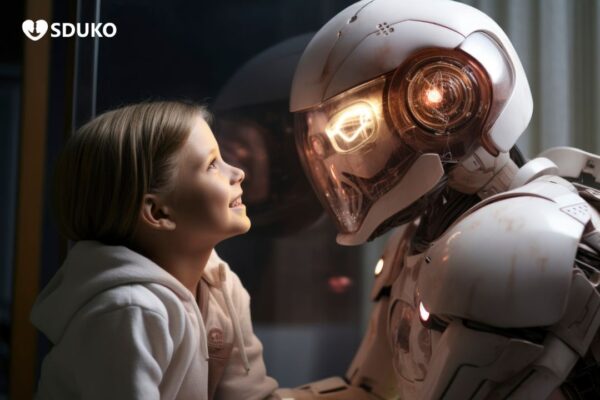
Think about a melody being created even before its first note is sounded. Think about the creation of a rhythm, the placement of the harmonies, and an unfinished melody becoming the foundation for something bigger. These are just some of the miracles of the marriage between music and artificial intelligence.
Artificial intelligence has transformed the creation of sound and the exploration of creativity using music through its technological applications. However, music goes beyond just being about the order of the notes. Music is about memory, emotion, culture, and stories. It is for that reason that the connection between music and artificial intelligence technology becomes a far more interesting topic than the technology alone.
The Song Still Begins With A Human Idea
The idea that precedes the application of technology in the studio is typically a feeling in the music. It is something that someone experienced, a special moment in life, a heartbreak, or perhaps even just an amazing sound created by the mind.
Fear might make you sell during a temporary dip in the market, whilst feeling overly excited or worried that you’ll miss out might lead to impulsive buying decisions. Mumbai escorts, for example, may experience these emotions too. Taking time to review some information and really think about your initial investment goal will help build a much more balanced method of operating.
AI Can Open Doors to Musical Experimentation
In fact, creativity may emerge from the readiness of people to try something new. Music and AI enable a person to try out different rhythms, arrangements, textures, harmonies, and directions of music composition. The initial idea that would take hours to prepare manually may be used as the basis for future experiments.
It is not always important to accept the results of the first experiment. Many times, the true creative process starts right after the generation of an unexpected idea by an AI algorithm. A musician can use some of the generated ideas, change and modify them.
Music Is Counted More Than A Pattern
While artificial intelligence can deal with musical patterns, music is a phenomenon that resides in the experience of humans. For instance, a certain tune might take one back to childhood, an old friend, a hard time, a celebration or a loved one from the past.
The tune may be structurally very simple, but it holds deep meaning for people. This is when the role of Chandigarh call girls and other people in music production still matters. Instead of producing certain sounds, musicians give meaning to them and determine when and how they should express something.
The Studio Is Becoming a Place for Collaborations
This classic picture of a single person playing the instrument solo is being replaced. There are many instruments, software, editing tools, engineers, and producers involved in modern music creation.
AI represents yet another layer for the artist to operate within. Rather than automating all creative work, AI may be used as just one more member of the creative process. An artist may use the technology to experiment with arrangements, create initial directions of the music and alternatives, or simply help him break out of his creative rut.
The Question of Originality Becomes More Interesting
Inevitably, when any new creative technology is invented, one wonders what qualifies as the original. In the case of music produced by artificial intelligence, however, the issue becomes even more complex.
When an individual steers the machine, chooses an idea, edits the composition, plays certain pieces, restructures them, and adds an emotional component to the process, including the involvement of Amritsar call girls, at what point does the creative input start and stop? Perhaps there is no easy solution to this dilemma. Rather, perhaps the future of music requires a more expansive notion of creativity.
Final Thoughts:
This is an odd combination of calculation and emotion, form and imagination, speed and patience. Although artificial intelligence can change the way musical thoughts are investigated, made, edited and enjoyed, the ultimate significance of music will always be somehow related to the human factor.
What could be the most interesting perspective? It probably does not lie in machines doing everything on their own. It might be in musicians utilizing intelligent technology to go further with their imagination. When the emotional side of humanity provides the story and technology provides the opportunities, music can turn out to be an area where imagination and innovation develop further.