Video games have always been a fascinating mix of art and mathematics. Behind every colorful screen and dramatic soundtrack, there are algorithms quietly shaping the player’s experience. One area where this is most visible is in how games use patterns and probability to keep players engaged.
Probability as a Core Mechanic
Many games are built around systems of probability. Whether it’s determining critical hits in a role-playing game, randomizing enemy spawns in action titles, or generating rare items, probability adds variety to gameplay. Without it, the experience would feel predictable and repetitive. Players are often unaware of just how much math is happening behind the scenes to ensure every session feels unique.
Why Patterns Keep Us Hooked
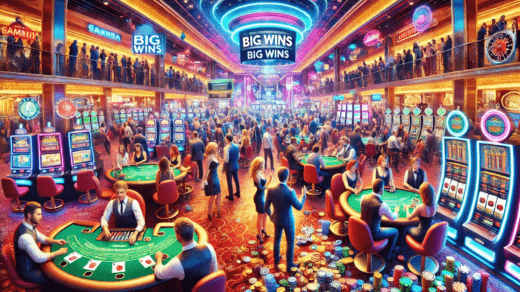
Humans are naturally drawn to patterns. Developers know this, which is why visual and audio cues are designed to create feedback loops. The spinning wheels of chance, flashing lights, and celebratory music all build a sense of rhythm and anticipation. This isn’t limited to traditional gambling contexts—many mainstream video games use similar sensory strategies to make rewards feel more impactful.
Designing for Engagement
Balancing fairness and unpredictability is key. Developers carefully tune random systems to maintain excitement without frustrating players. Too much randomness can discourage skillful play, while too little can make the game feel static. The sweet spot lies in systems where luck enhances strategy, giving players a reason to come back again and again.
The Online Shift
With the rise of online platforms, probability-driven mechanics are no longer limited to single-player experiences. They’ve become central to multiplayer and live-service models, where rewards, bonuses, and events are structured around chance-based systems. Spaces such as naga15 illustrate how digital platforms integrate probability into the broader entertainment landscape.
A Future Built on Data and Design
As technology advances, developers are likely to use even more sophisticated algorithms to control probability and pattern recognition. Artificial intelligence, machine learning, and real-time analytics could make reward systems more personalized than ever, offering each player a unique mix of chance and skill.