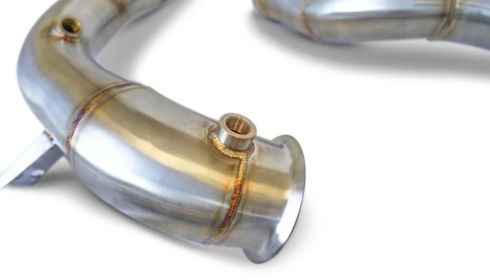
Mercedes AMG models have always represented a perfect blend of luxury, performance, and aggressive engineering. For enthusiasts who want to unlock even more power and create a sharper driving experience, upgrading the downpipes is often one of the first modifications considered. Whether you own an E53 AMG or the powerful W213 E63 AMG, aftermarket downpipes can dramatically transform both performance and exhaust character.
Modern AMG vehicles already deliver impressive factory tuning, but emission-focused restrictions in the stock exhaust system limit their full potential. Replacing the original downpipes with high-flow alternatives allows the turbochargers to breathe more efficiently, improving throttle response, horsepower, and overall engine sound.
Why Downpipes Matter in AMG Performance
Downpipes connect the turbochargers to the rest of the exhaust system. Factory-installed units usually include restrictive catalytic converters designed primarily to meet emission standards and reduce noise. While this setup works perfectly for daily driving, it also creates backpressure that limits performance gains.
Performance downpipes reduce this restriction. The result is quicker turbo spool, smoother airflow, and improved engine efficiency. Drivers often notice faster acceleration and a more aggressive exhaust tone almost immediately after installation.
For AMG owners who appreciate the emotional side of driving, the sound improvement alone can make the upgrade worthwhile. The deep growl during acceleration and sharper crackles on downshifts create a much more engaging experience behind the wheel.
Performance Benefits for the Mercedes E53 AMG
The E53 AMG is already an impressive luxury performance sedan, featuring a turbocharged inline-six engine with mild hybrid technology. However, aftermarket exhaust upgrades can take the car to another level.
Installing a downpipe mercedes e53 amg setup typically improves airflow significantly. When paired with an ECU tune, many owners experience noticeable horsepower and torque gains. Turbo lag also becomes less apparent, making the car feel more responsive during quick acceleration.
Another advantage is the improved exhaust sound. The stock E53 is refined and controlled, but upgraded downpipes introduce a louder and more aggressive AMG tone without completely sacrificing comfort during regular driving.
Many enthusiasts combine downpipes with intake upgrades, performance software, and cat-back exhaust systems for maximum results. Together, these modifications create a balanced setup that enhances both daily driving and spirited performance.
Catted vs Catless Downpipes
When shopping for AMG downpipes, owners usually choose between catted and catless versions. Both options offer advantages depending on driving preferences and local regulations.
Catted Downpipes
Catted downpipes use high-flow catalytic converters that reduce emissions while still improving exhaust flow. These are generally more suitable for street-driven vehicles because they maintain a cleaner exhaust output and reduce unwanted fuel smell.
High-quality catted systems also help minimize the chances of check engine lights appearing after installation. Sound levels increase, but they remain relatively refined compared to completely catless systems.
Catless Downpipes
Catless downpipes completely remove catalytic converters, creating the least restrictive airflow possible. This option delivers the most aggressive exhaust sound and often produces slightly higher performance gains.
However, catless setups may not comply with emissions regulations in some regions. They can also produce a stronger exhaust odor and increased cabin resonance. For track-focused enthusiasts, though, catless systems remain extremely popular.
Upgrading the W213 E63 AMG
The W213 E63 AMG is considered one of the most powerful and exciting AMG sedans ever produced. Equipped with a twin-turbocharged V8 engine, the car responds exceptionally well to exhaust modifications.
A properly designed mercedes e63 w213 catted and catless downpipes upgrade can significantly improve turbo efficiency and unleash the full character of the handcrafted AMG engine. Owners often report stronger mid-range power delivery, faster throttle response, and an exhaust note that feels far more exotic and aggressive.
The E63’s twin-turbo V8 especially benefits from reduced backpressure. Combined with ECU tuning, upgraded downpipes can push the vehicle into supercar-level performance territory while maintaining the comfort and luxury expected from Mercedes AMG.
Installation and Tuning Considerations
Installing aftermarket downpipes on AMG vehicles usually requires professional expertise. Modern Mercedes systems include advanced sensors and tightly packed engine bays, making installation more complex than basic exhaust modifications.
ECU tuning is also highly recommended after upgrading downpipes. Without proper software calibration, the vehicle may trigger warning lights or fail to fully utilize the improved airflow. A quality tune optimizes fuel delivery, turbo boost, and ignition timing for safer and more effective performance gains.
Before purchasing, owners should also verify compatibility with their exact AMG model and production year.
Final Thoughts
Upgrading AMG downpipes is one of the most rewarding performance modifications available for Mercedes enthusiasts. From sharper throttle response to a richer exhaust sound, the improvement completely changes the driving experience.
Whether you drive the refined E53 AMG or the brutally powerful W213 E63 AMG, high-performance downpipes can unlock a more exciting and emotional connection with the car. Choosing between catted and catless systems ultimately depends on personal preference, driving style, and local regulations, but either option can dramatically elevate the AMG experience.