People often underestimate how many steps go into proper septic tank cleaning, yet each stage plays a part in keeping household systems trouble-free. Professional crews rely on a clear workflow to ensure septic tanks are cleaned thoroughly without harming the surrounding soil, drains, or equipment. This structured process also explains why septic tank pumping Huntsville AL services remain essential for homeowners who want long-term system reliability.
Inspection Steps Carried out Before the Pumping Begins
Service teams start by reviewing the tank’s condition from the outside. They look for surface indicators such as soft ground, odors, or backing drains that may point to hidden issues inside the system. This early review helps determine how the tank should be handled once the lid is opened for septic tank pumping, especially if past maintenance records are unclear.
A deeper inspection follows once the lid is removed. Crews assess the levels of scum, liquid, and sludge to understand how much waste the tank has collected over time. This evaluation guides the pumping strategy and ensures the cleaning method aligns with the tank’s size and current condition.
Locating the Tank and Access Points for Service Teams
Service providers first identify the exact placement of the septic tank. Many tanks sit beneath soil, gravel, or landscaping, so teams carefully uncover the area without damaging utility lines or surface features. Locating the primary lid is important because proper access reduces delays once septic tank pumping begins.
Access points are then cleared and prepared for equipment. Each tank may have multiple lids depending on age and design. Some require digging, while others use risers that bring access closer to the surface. Clear access supports safe entry and prevents debris from falling into the tank during the septic tank cleaning process.
Removing Built-up Sludge Through Full Pump Extraction
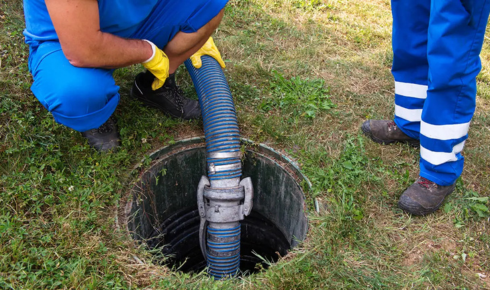
Sludge removal becomes the central task once equipment is positioned. Heavy vacuum hoses pull settled waste from the bottom of the tank, where solids accumulate over time. Complete extraction helps restore tank volume and reduces the chance of solids flowing into the drain field.
The technician monitors the hose movement to confirm that thick layers are being fully extracted. Different tanks produce different sludge textures, so adjusting suction strength is often necessary. Proper extraction prevents major problems such as clogged baffles or restricted drainage.
Clearing out Liquid Waste and Residual Effluent Safely
After the sludge is gone, the liquid layer is removed. This step ensures the tank is empty enough for a more detailed interior cleaning. Clean removal techniques also protect nearby soil since wastewater must be handled with care during septic tank pumping.
Residual effluent that settles in corners or lower areas of the tank is then drawn out. Siphoning or vacuum adjustments may be used to reach pockets that standard suction cannot access. Removing all remaining liquid helps crews confirm whether the tank’s components still function well.
Rinsing Interior Walls to Break down Compact Layers
Technicians rinse interior walls to remove hardened residue. Over time, compact layers develop along the tank’s sides, reducing space and slowing wastewater separation. Rinsing helps expose the tank’s true condition and can extend its lifespan. The interior wash also reveals whether any patches of scum or sludge remain. This step supports the septic tank cleaning process by ensuring no buildup is left behind. Thorough rinsing makes future maintenance easier since layers do not have a chance to grow thicker.
Checking Baffles and Filters for Structural Integrity
Baffles prevent solids from reaching the drain field, so they are checked carefully. Any damage or wear could allow waste to bypass separation stages and overload the drain lines. Inspections confirm whether each baffle remains strong enough to manage the tank’s waste flow.
The outlet filter also receives attention. Its job is to capture small particles before they exit the tank. A filter with excessive buildup can restrict flow, while a damaged one may fail to protect the drain field. Ensuring these parts function properly supports long-term septic tank performance.
Verifying Flow Levels After the Cleaning Is Complete
Flow testing begins once pumping and interior cleaning are finished. Technicians watch how water moves from the home into the tank. This confirms whether blockages are present in the inlet line or if flow has returned to normal after service.
Another part of this check involves monitoring how water exits the tank. Any slowdown may indicate issues further down the system that require attention. Flow verification offers immediate reassurance that the septic tank pumping service has restored proper movement.
Recording System Conditions for Future Maintenance
Service teams document the tank’s state after cleaning. Records typically include sludge depth, structural condition, and notes about baffles or filters. These details give homeowners a clearer understanding of how often their septic tank pumping should occur.
Documented reports also help future technicians know what to expect. Tanks age differently based on household size, water use, and soil type. Having these observations stored for later reference keeps maintenance predictable and prevents unnecessary damage.
Sealing Access Lids and Restoring Site Conditions
The final step involves sealing lids securely. Proper lid placement prevents odors, groundwater intrusion, and accidental access. Crews ensure the cover fits tightly and replace riser screws or clamps if required. Ground surfaces are then restored. Whether soil, mulch, or gravel was removed, the area is put back in order so the property looks unchanged. Professional septic tank pumping Huntsville AL providers value leaving the site stable and safe after service, and Cora Landscape follows this same standard through its structured septic tank cleaning process.